
Services

Electrical Design

Precise design from architecture to assembly for real-world performance

From schematic to solution, we deliver on design

Today’s electronic devices not only communicate with each other, they also interface with the real world via sensors and actuators. As the world becomes more dependent upon data, custom devices are needed to collect and communicate the data to the user.

Zebulon Solutions has extensive experience in designing PCBAs as well as electronics subsystems, from batteries to radios. We are especially skilled at embedded microcontrollers, sensors, analog, wireless communications, and portable devices. We’ve applied our knowledge across a wide variety of industries: from medical devices to clean-tech, IoT products to industrial controllers.

Services

We have every aspect of your electrical design covered

We will work with you to develop electronic systems that align with all business requirements, optimizing designs for technical specification, cost, and availability.  We utilize a methodical design process.

  • Block diagram creation
  • Schematic entry
  • Component selection
  • PCBA floor planning and layout
  • Generate industry standard fabrication and assembly files

Modern electronic systems have limited functionality without robust firmware. Our extensive experience in integrating software and hardware create products that offer unique function and value.

  • Align architecture with functional requirements
  • System test during production
  • Integrate with third party libraries
  • Target 8/16/32-bit microcontrollers
  • Bare metal or RTOS implementations

Successful product design requires optimizing business requirements, technical realities, costs, and supply chain availability. Effective analysis occurs in the early stages of design, but is useful every time options arise

  • Evaluation of requirements
  • Consider system design options
  • Review component availability
  • Configure supply chain
  • Estimate production costs

Estimating circuit performance early in the design process can shorten product development time. Software tools can lower design risks and reduce development costs. 

  • Expose potential architecture problems
  • Simulate circuit performance
  • Determine power budget
  • Estimate noise in the circuit

Component selection is more than technical requirements. We take a wholistic approach to ensure components are also available, within cost targets and have a robust supply chain.

  • Technical specifications
  • Cost
  • Lead time
  • Sourcing options
  • Assembly requirements
  • End of Life notices

Specialized Designs

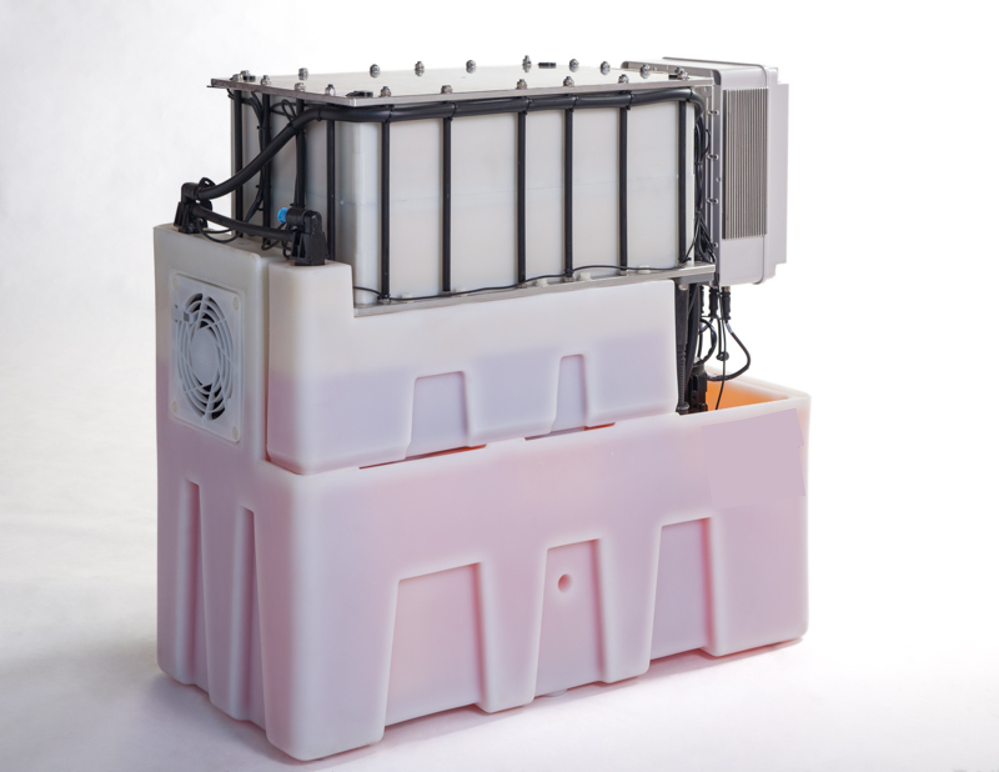
Power Circuit Design

Electronics require a reliable power source, from a simple single-voltage wall outlet to a multi-rail solar-charged battery system. We design power circuits to deliver stable voltages and peak current, manage battery charging by chemistry, and comply with government emissions standards.

A hand adjusting an oscilloscope displaying a waveform, captured in a studio setup.

Embedded Analog

Every electrical system is analog, digital just hides the details. We bring shielding, emissions control, amplification, filtering, and analog/digital conversion to your design to keep the analog world under control.
technology, system, data acquisition system, daq

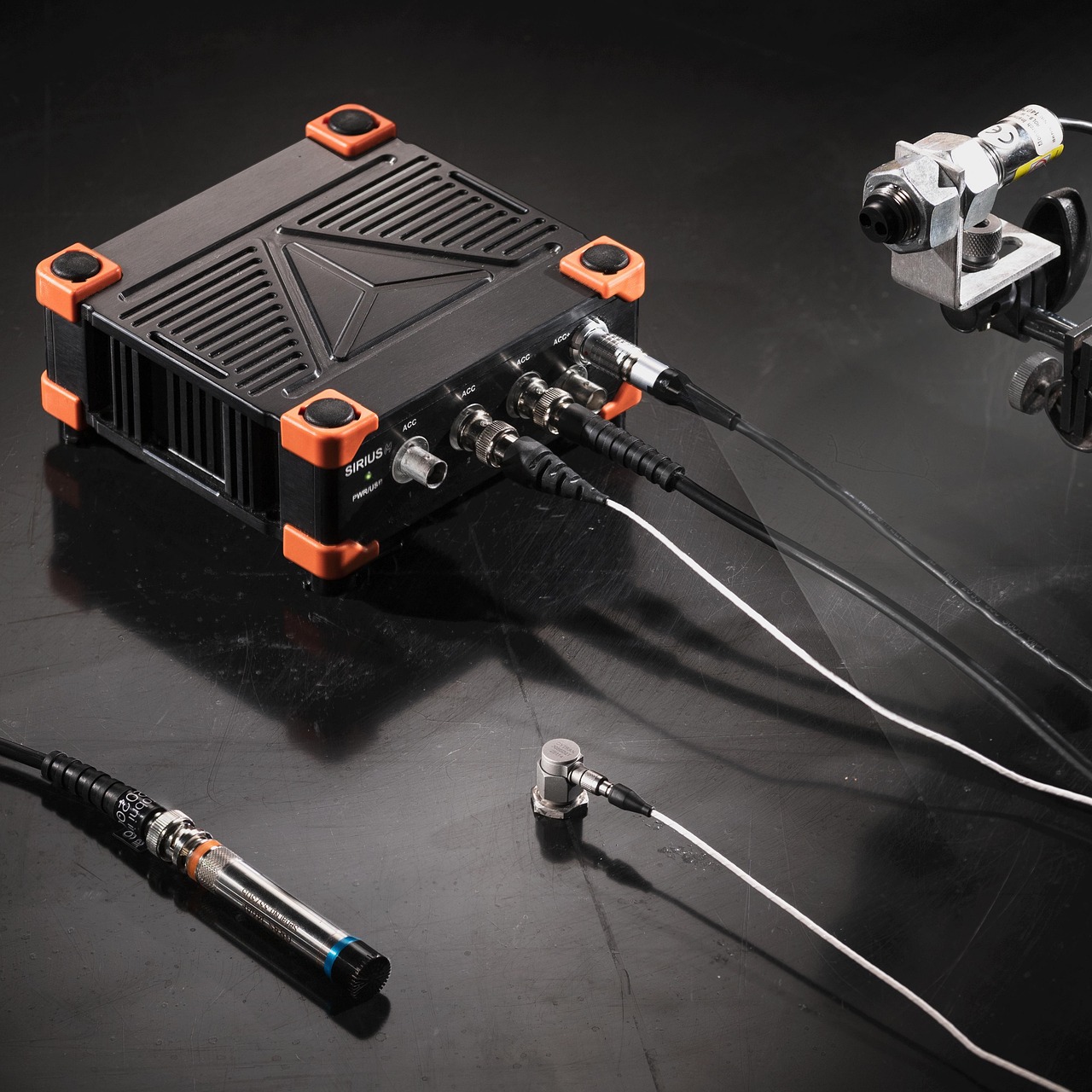
Sensor and Instrumentation

Effective instrumentation starts with the right sensor and the electronics needed to convert physical measurements into usable data. Leverage our experience to implement sensor interfaces correctly in your next design.
Close-up of a stainless steel control panel with digital displays and buttons indoors.

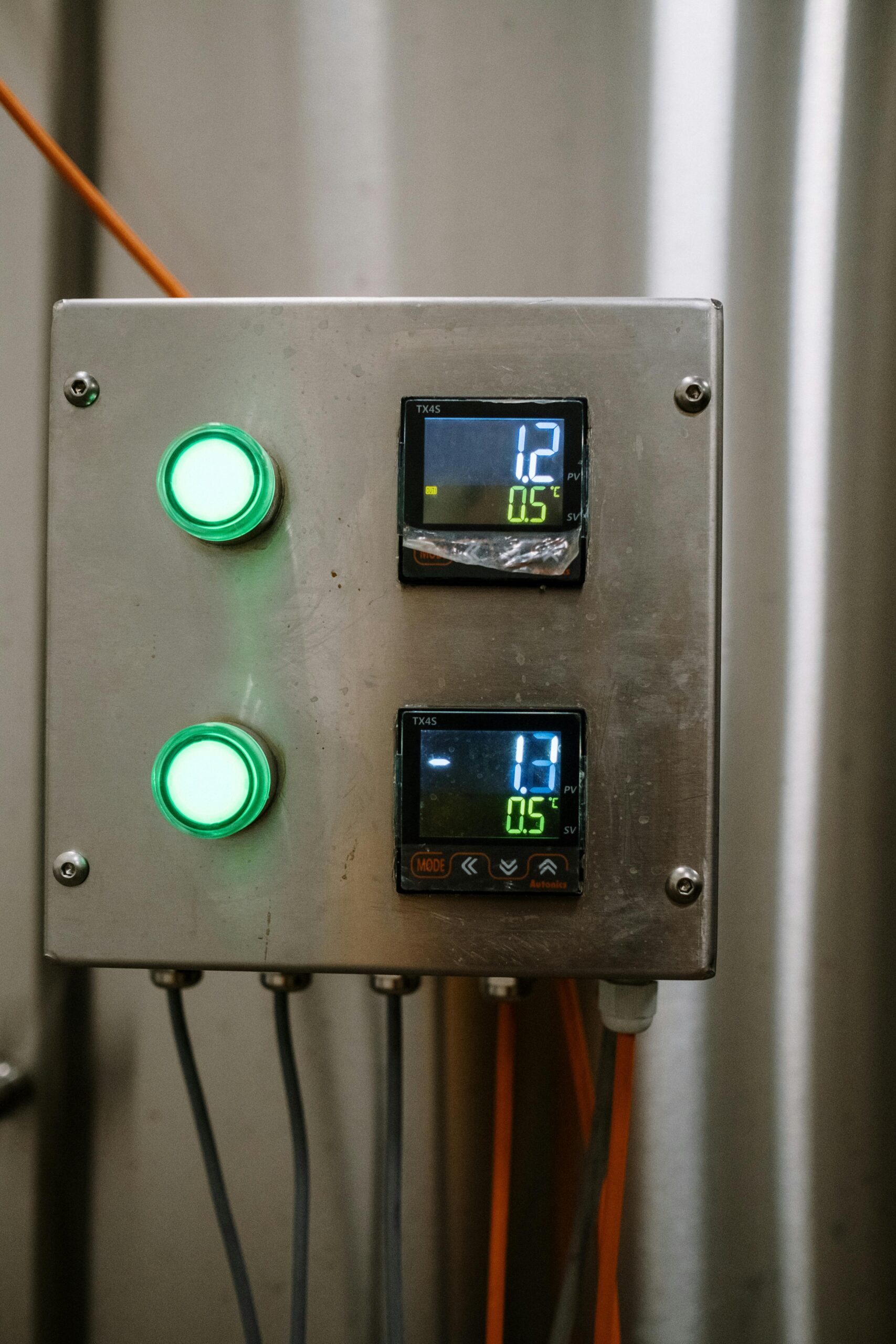
Controls

Instrumentation relies upon controls to effect changes upon the external world, usually in combination with sensors. We design controls with real-world variability in mind to help you identify and address it effectively.

Low angle view of a telecommunication tower silhouetted against a dramatic, cloudy sky.

Communication

Collected data must be transmitted to be useful, whether over wired or wireless connections. Engage with us early to ensure the communication method fits the operating environment and available power.

Zebulon Solutions was instrumental in identifying and correcting our circuit board issues. They identified both hardware and software issues that created a 25% warranty issue for us. They were very thorough investigating, correcting, and validating the fixes that saved our product line. Next time, we will have Zebulon Solutions design the board from the start to avoid such issues.

FAQ

PCB design is the process of creating the schematic and physical board layout for a product’s electronics.

When making design decisions it is important to consider the cost and availability of the components. Also, understanding spacing and line width can impact yield and reliability in production. Consider the manufacturing processes to be used if there are unique requirements for size, finishes, or coatings. A board that has tight tolerances, hard-to-place components, or difficult to source components increase the cost of every unit you build.

Schematic design defines how components electrically connect. Board layout determines their physical placement and routing on the PCB. Both need to be done with manufacturing in mind, not just electrical function.

Prototype boards can tolerate faster layering with reduced long-term durability and manual component placement. Production boards should be fabricated using processes that increase product reliability, utilize automated assembly processes, and design margins that account for manufacturing variation. Designing for volume from the start avoids a costly redesign later.

Firmware is the embedded software that controls a product’s hardware and is required in nearly all modern electrical designs. Developing hardware and firmware together helps to  avoid integration issues and reduces development risk.

Cost reduction starts with minimizing PCB layers, avoiding  unnecessarily tight tolerances and overly complex components, and selecting readily available parts with multiple sourcing options. Making these decisions  during design is far less costly than redesigning a board after production begins.

Scroll to Top