
Services

Mechanical Design

Design isn't just about form; it's also about user function and fabrication ease

From sketch to manufacturable product, we deliver on design

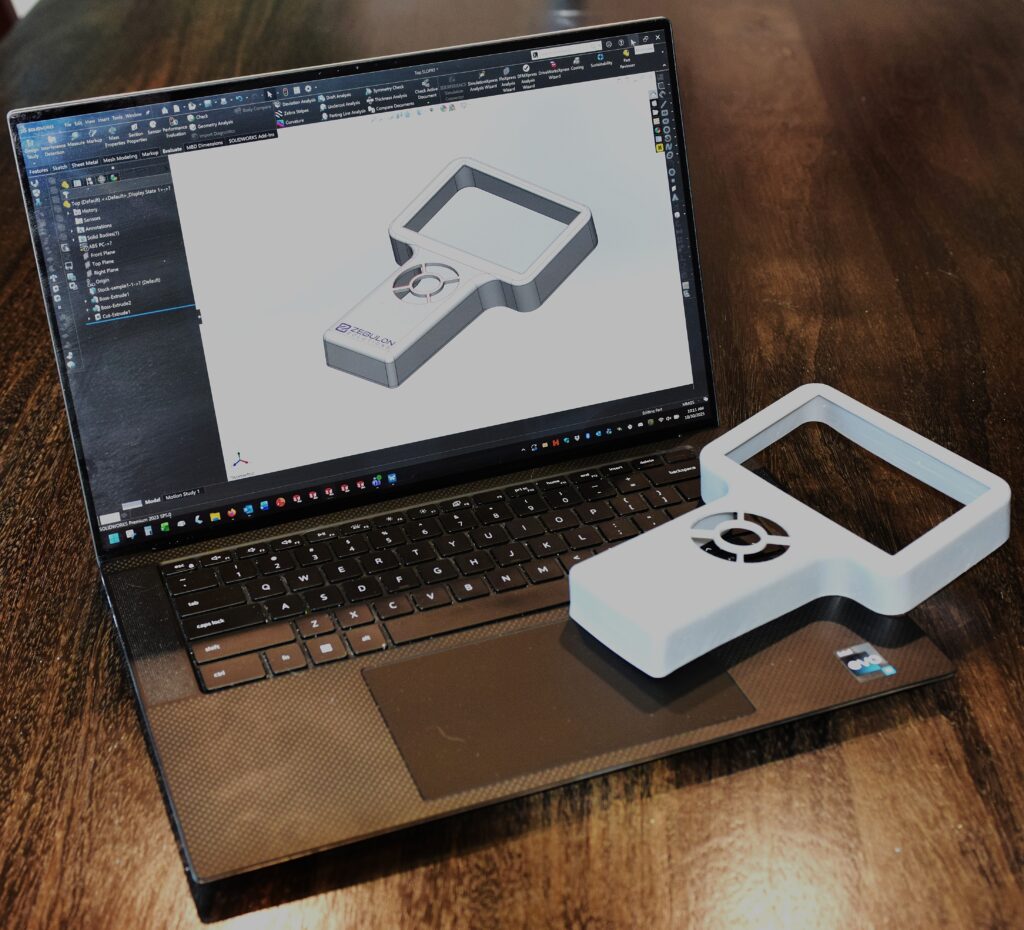
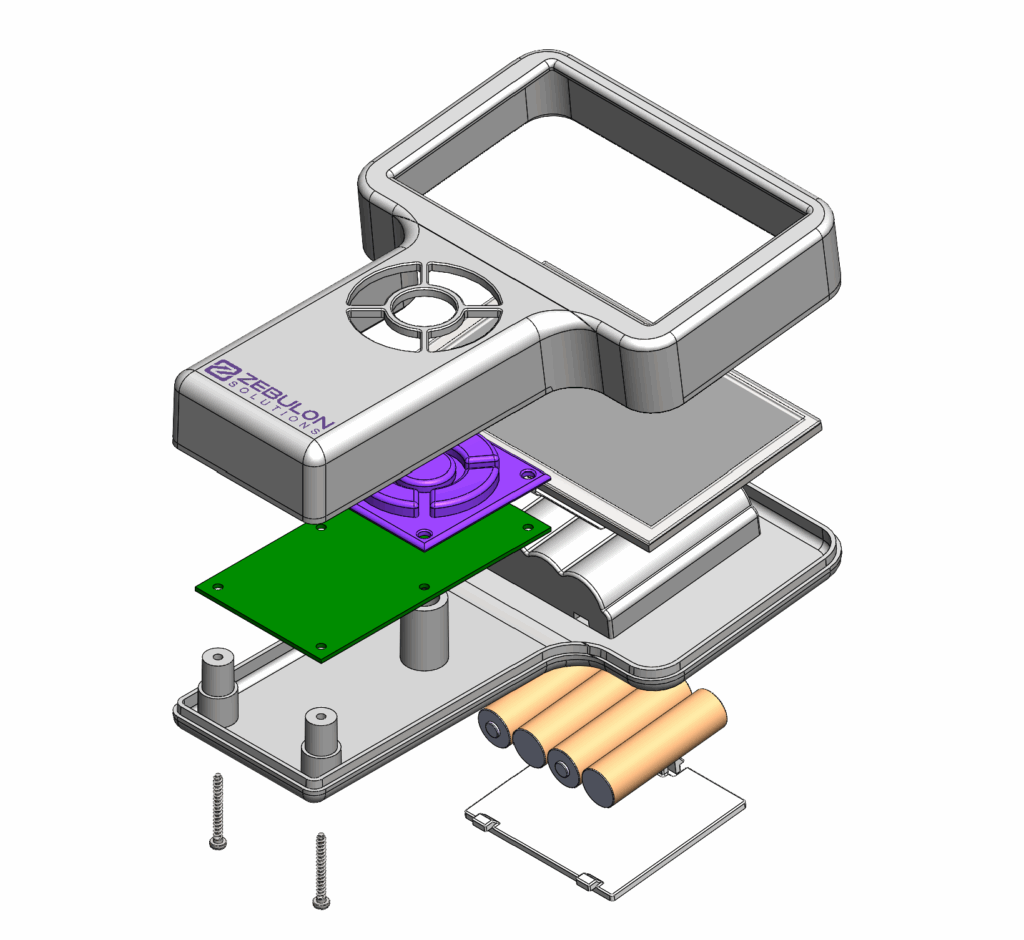
Mechanical design ranges from creating simple enclosures to engineering complex dynamic systems with many moving parts. Zebulon Solutions not only creates 3D CAD models (the easy part) but also does analysis, simulation, prototyping and verification of the complete mechanical subsystem, and then integrates it with the electronics and other system level components.

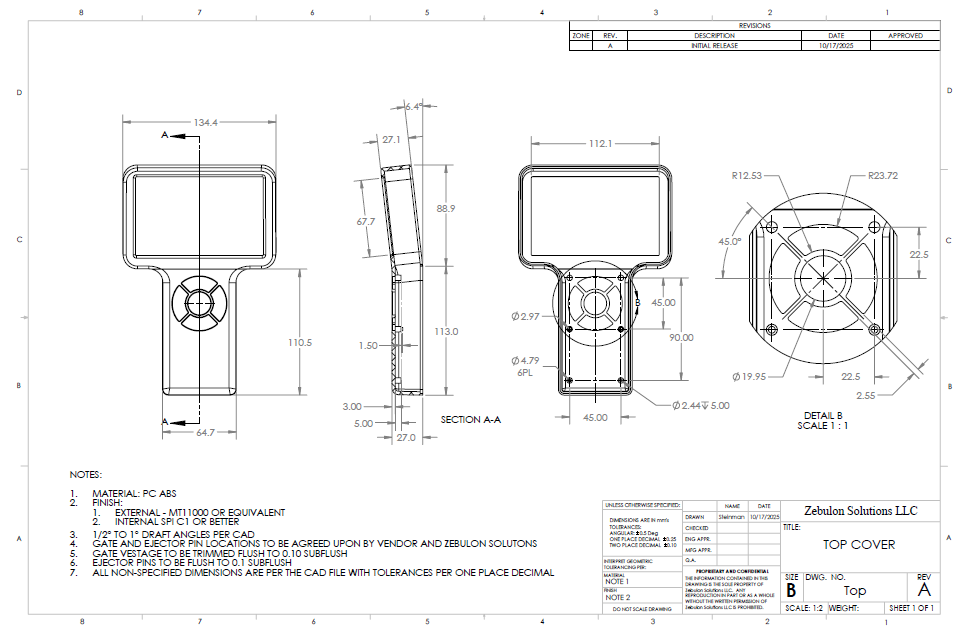
Our skilled team can finalize your existing design or covert your idea into a complete, manufacturing-ready product, complete with documentation. Our drawings specify your requirements for your suppliers and are compliant with Geometric dimensioning and tolerance (GD&T) standards for inspection.

Design Process

Taking your idea through modeling, prototyping, and manufacturing, we work with you through every step

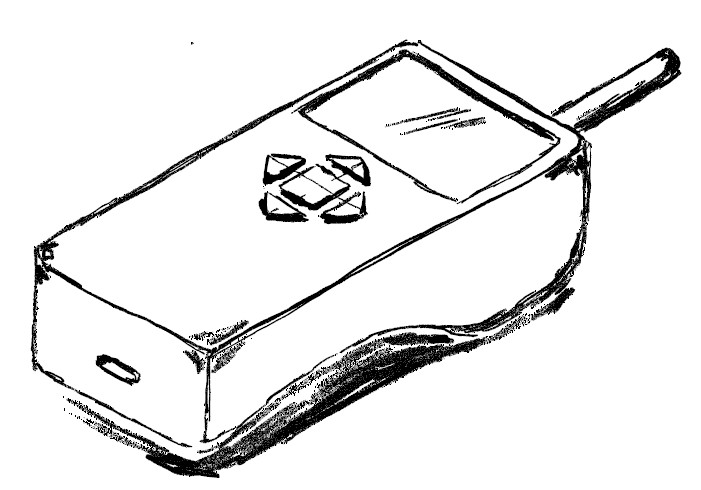
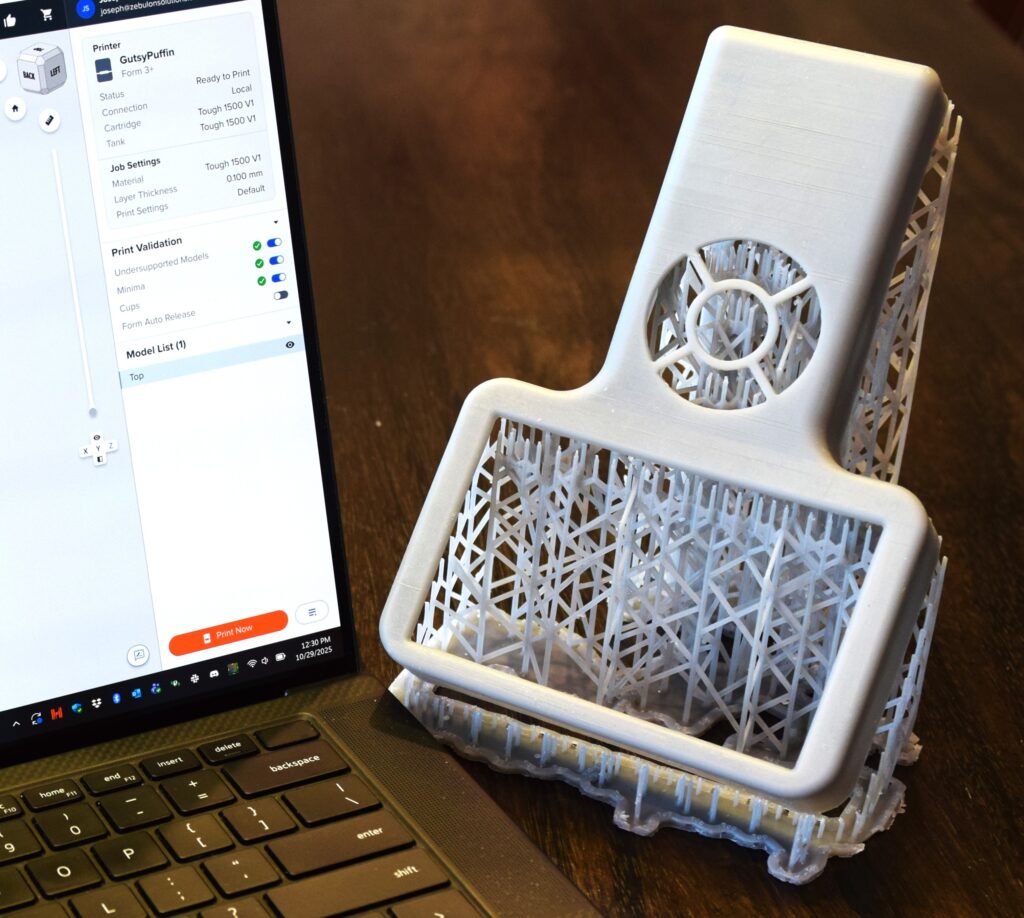
WE SKETCH YOUR IDEA

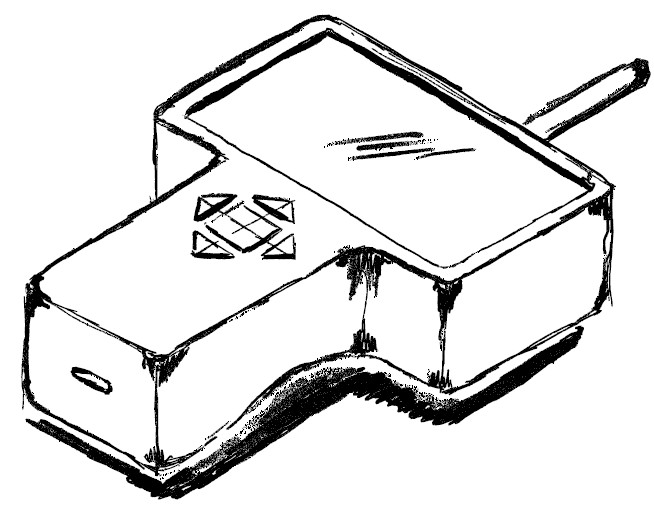
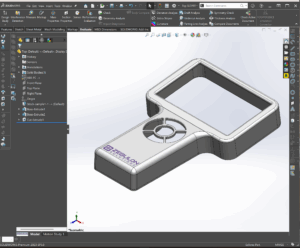
WE CREATE A 3D MODEL OF YOUR CONCEPT

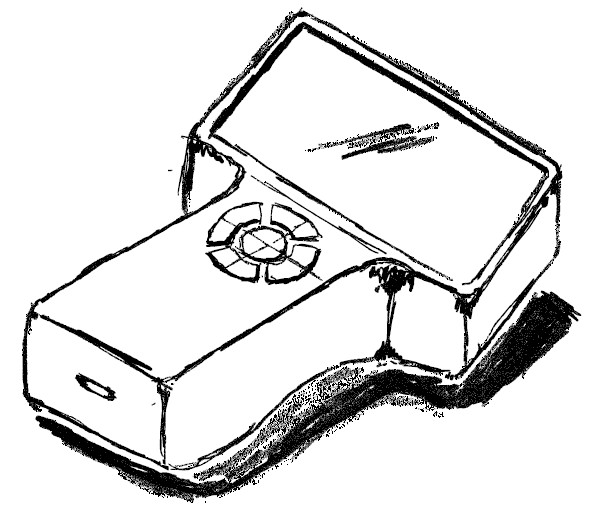
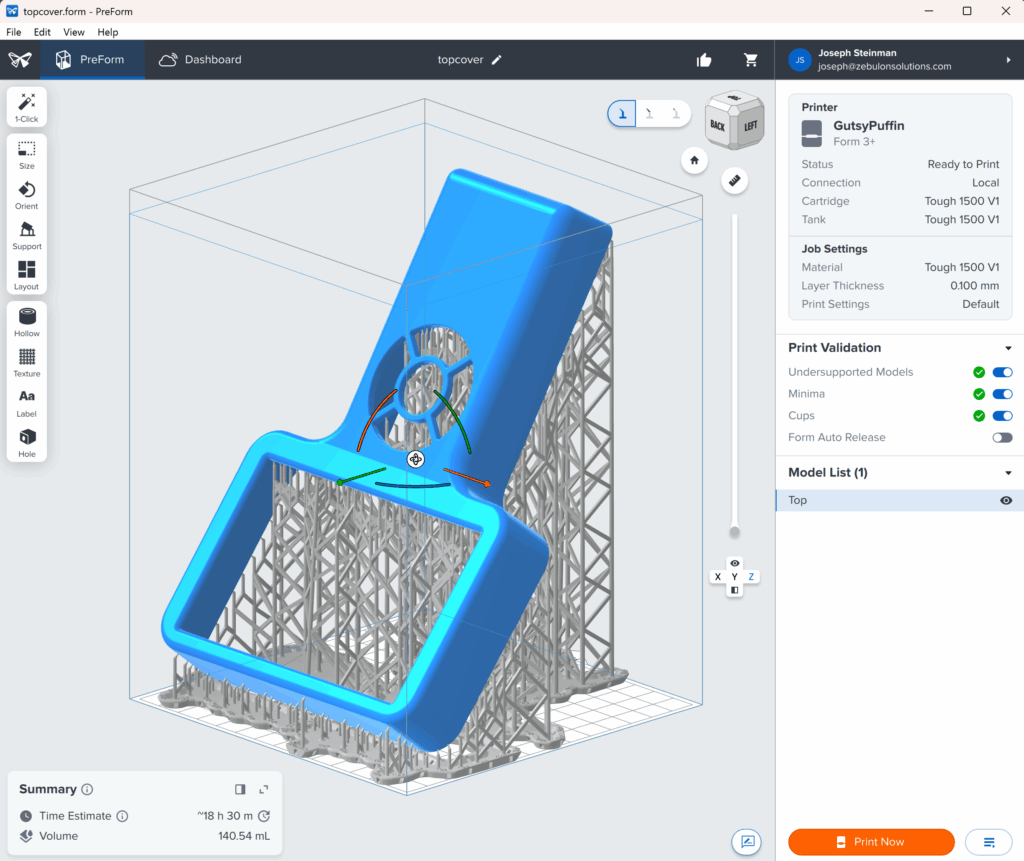
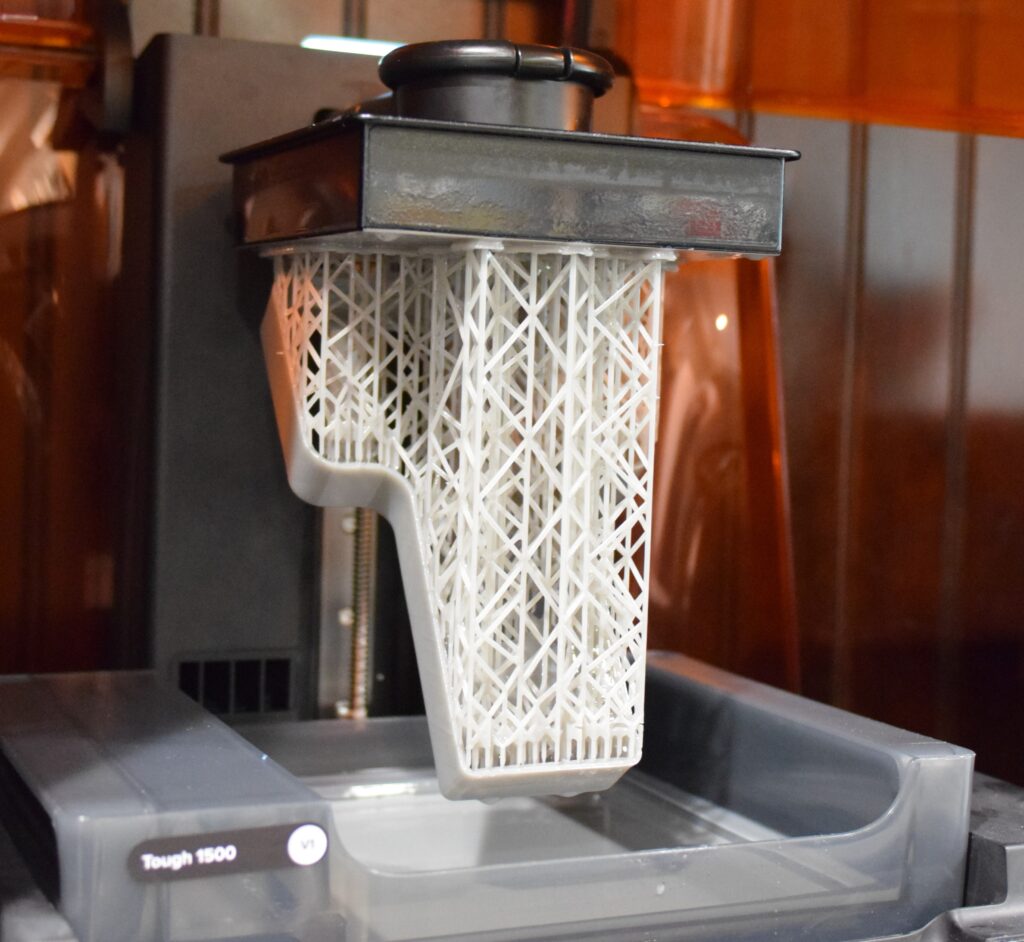
WE PROTOTYPE YOUR PRODUCT

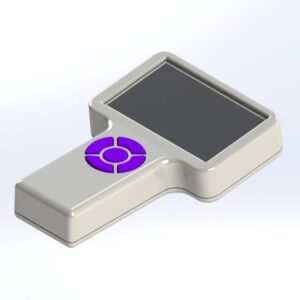
WE DETAIL YOUR PRODUCT FOR FABRICATION AND ASSEMBLY

Let us help you design your product

Our Services

  • 3D part and assembly design

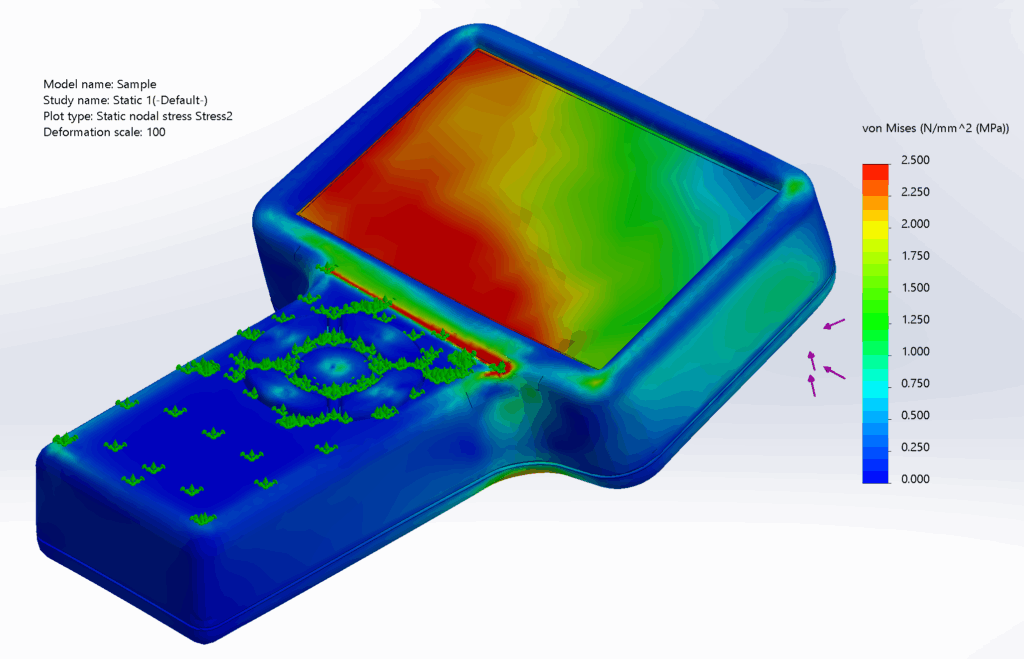
  • Structural and functional analysis

  • Geometric dimensioning and tolerance (GD&T) analysis

  • Design finalization: 2D drawings with fabrication and assembly notes

  • Materials and finish specification

  • Design for ingress protection

  • Prototying
  • Analysis and testing

Our Capabilities

Experience in action

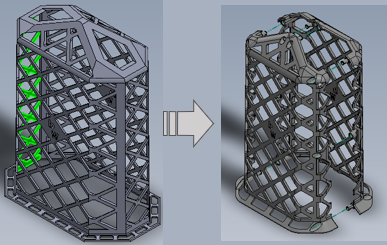
3D Printing to Molding

Additive manufacturing has helped accelerate hardware development with its ability to produce nearly any design. We skillfully redesign parts that were originally only suitable for 3D printing and make them injection-moldable to reduce cost and increase durability.
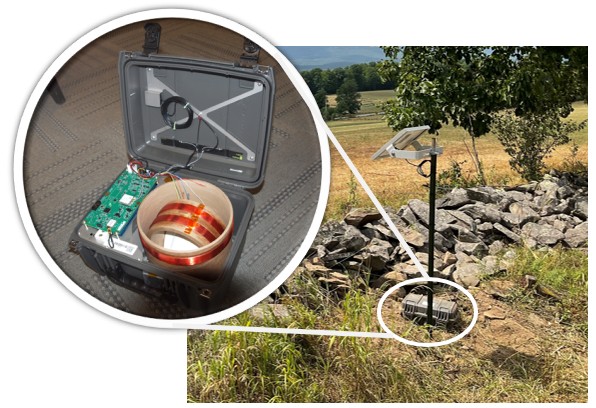
Designing for Extreme Conditions

Placed in fields that flood in the spring or trampled by field animals, this high-tech product needs to be able to be charged and reporting data regardless of what conditions the product experiences.
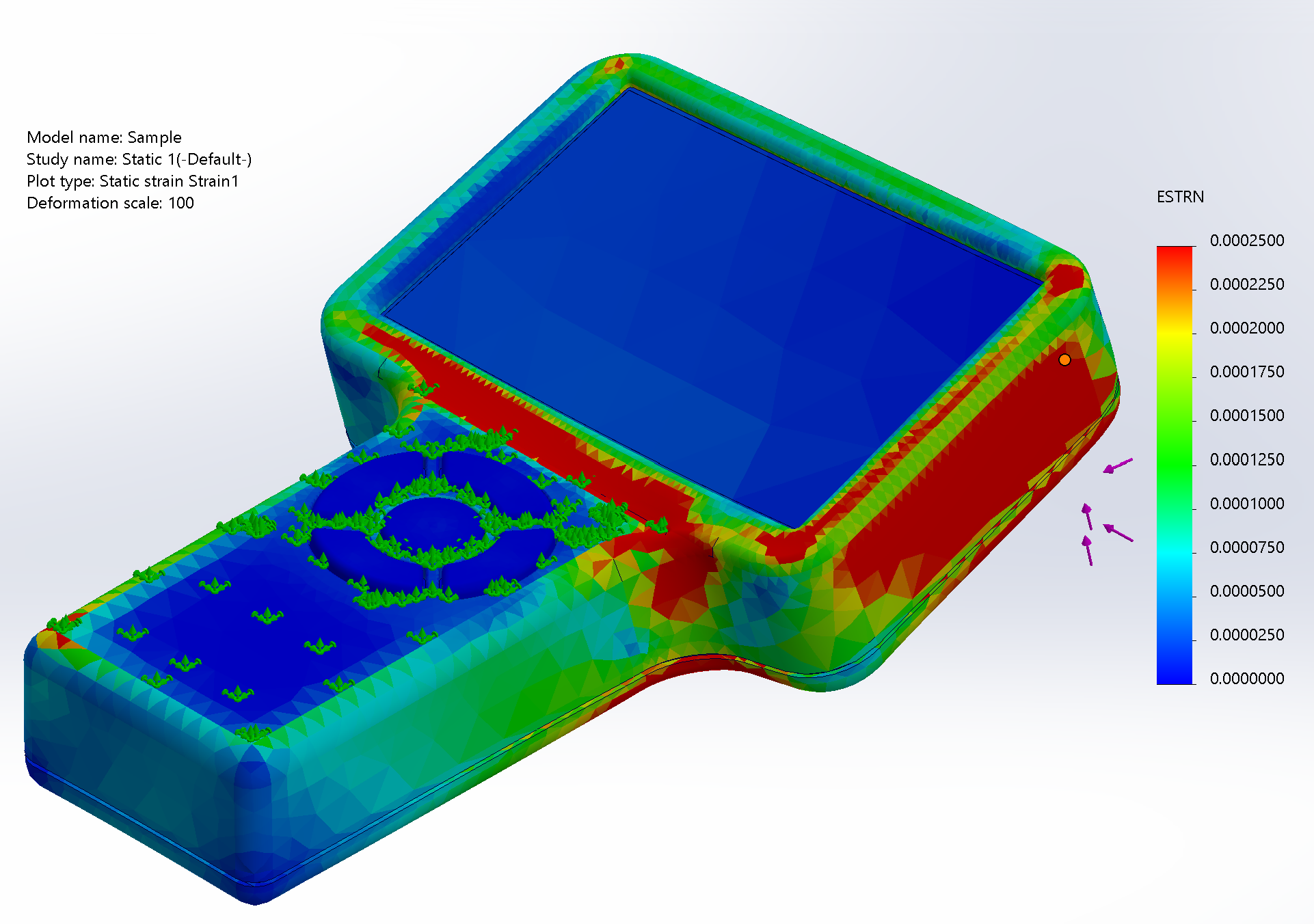
Analysis and Simulations

A fundamental tenant of the design process is using data to drive decisions. Analysis and simulations help to avoid design decisions that would result in manufacturing yield problems or performance issues.
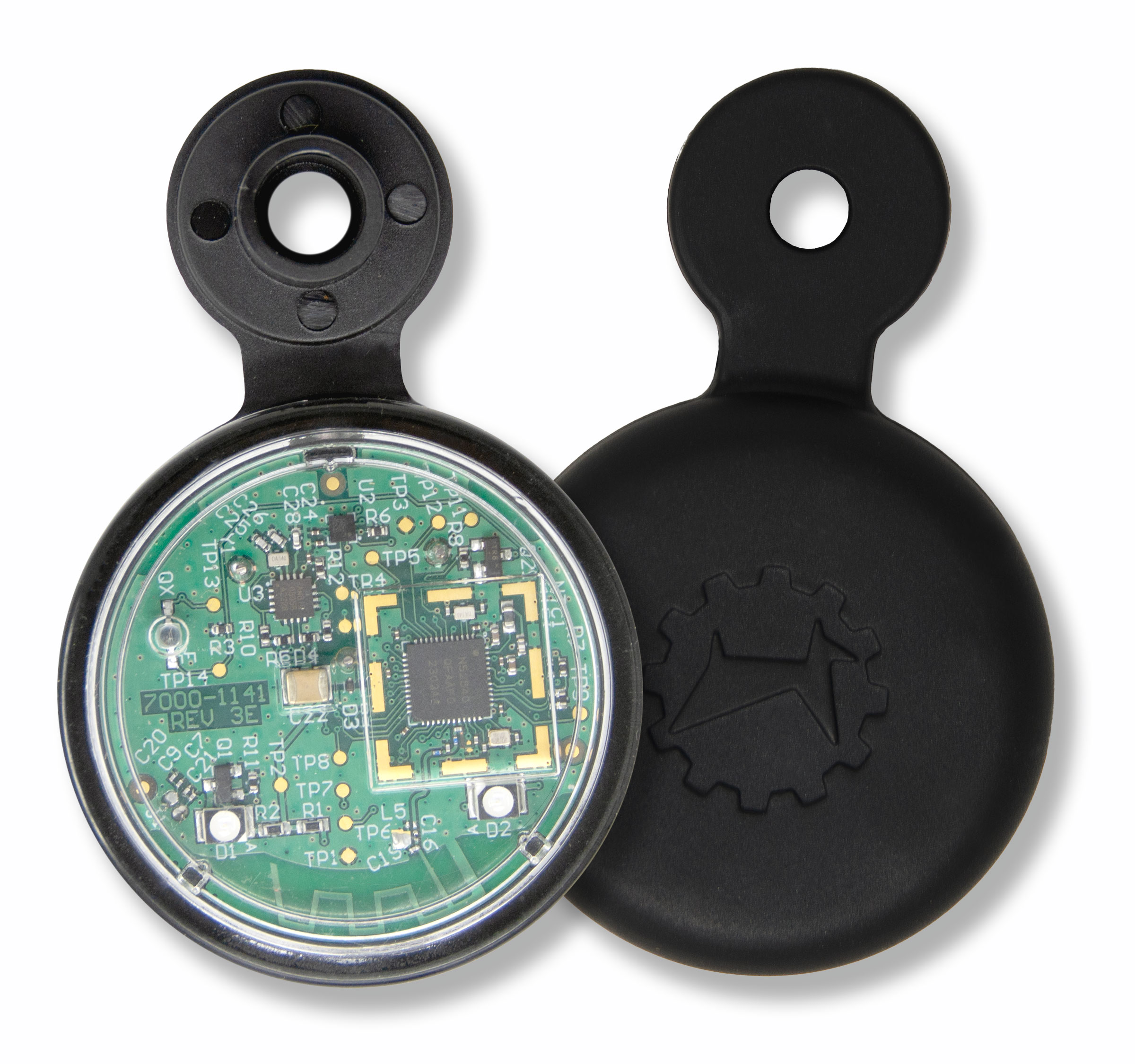
Optimizing Conflicting Requirements

Some designs require a careful balance of requirements to achieve the best results. This includes carefully testing materials and evaluating different feature shapes to find a solution that achieves both durability and flexibility, all while optimizing the design for efficient assembly to limit labor costs.

FAQ

In mechanical design, CAD is used to design the product in a 3D model. DFM means designing parts and enclosures with the capabilities and limitations of the chosen manufacturing process, for example:

  • Injection molding
  • Sheet metal
  • Extrusions
  • Casting
  • Machining

Designing for the manufacturing process from the start, rather than redesigning for the process later, saves development time and cost.

Injection-molded enclosures need thin, consistent wall thickness, appropriate draft angles for part ejection, and simplified geometry to avoid costly tooling. Designing for molding from the first CAD iteration avoids expensive tooling rework later.

Zebulon Solutions is experienced in converting parts designed for 3D printing into parts that can be injection molded.

Tolerances should be as loose as the product’s function allows — tighter tolerances than necessary directly increase manufacturing cost and reject rates. The manufacturing process will dictate what tolerances are possible. It is also important to calculate what tolerances are needed for parts to fit together.

Zebulon Solutions can provide guidance on your specific product and complete a tolerance analysis to ensure parts are both functional and manufacturable at the lowest cost.

Prototype enclosures (often 3D printed or CNC machined) can use geometry that would be impossible or expensive to mold at volume. An enclosure destined for injection molding needs to be designed around the constraints of that process from the start, not adapted afterward.

Cost depends on part count and complexity, desired manufacturing process, number of design iterations, and difficulty of product requirements.

The most common issues are geometry that can’t be manufactured as designed, tolerances tighter than the application needs, lack of requirements or notes and material call-outs on drawings, and designs finalized without input from the manufacturing side.


While manufacturers will use the 3D CAD to actually manufacture your parts, the drawings provide insight and requirements not available in the CAD. The drawings convey the critical tolerances and features, what material to use, and other notes for quality, regulatory, and packaging.

See Zebulon Solutions’ drawing checklist for items to include on drawings.

Scroll to Top