
Background
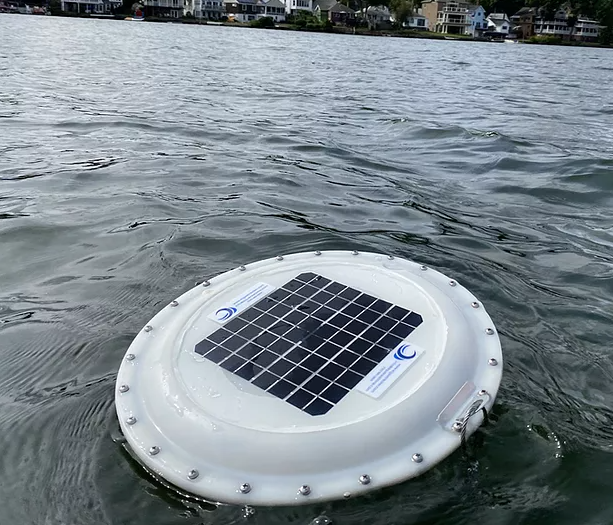
A Colorado-based start-up approached Zebulon Solutions to help with the design of an algae-monitoring buoy to be deployed in waterways. Two of the key challenges to overcome was an enclosure that would be both waterproof and self-righting.
Project Goals
- Incorporating an algae sensor with cellular and GPS capabilities into a floating device
- Ensuring a clear optical path in the water for the algae sensor to function properly
- Maintaining an IP-67 ingress protection rating to keep the electronics dry and operational
- Recharging the battery for continuous operation
- Incorporating self-righting capabilities
- Minimizing assembly time and labor
Zebulon Solutions’ Activities
- The algae sensor secured with O-rings to minimize hardware complexity while maximizing ingress protection
- Developed a solution to keep the optical path clear by periodically cleaning the window
- Designed an axial seal with hardware outside the O-ring minimizing potential water ingress points
- Incorporated a solar panel to charge battery
- Designing plastic parts to minimize manufacturing costs
Results
- The design of the window cleaning has been very successful with customers often voicing their amazement at how clean the device is
- The product was designed within the quoted development budget and met all of the key requirements
- Manufacturing costs were managed to ensure early product sales were profitable
- Our customer successfully released a marketable product that provides early detection of algae growth in waterways
Designing with Conflicting Requirements
A product with conflicting requirements doesn't have to result in a dead end. We can help you understand the trade-offs and optimize the design to achieve the best balance.